Welder
Field & Trades
Joins metal components with heat and pressure, and for structural work, has to prove it on a certification test before being allowed to do it on a real building.
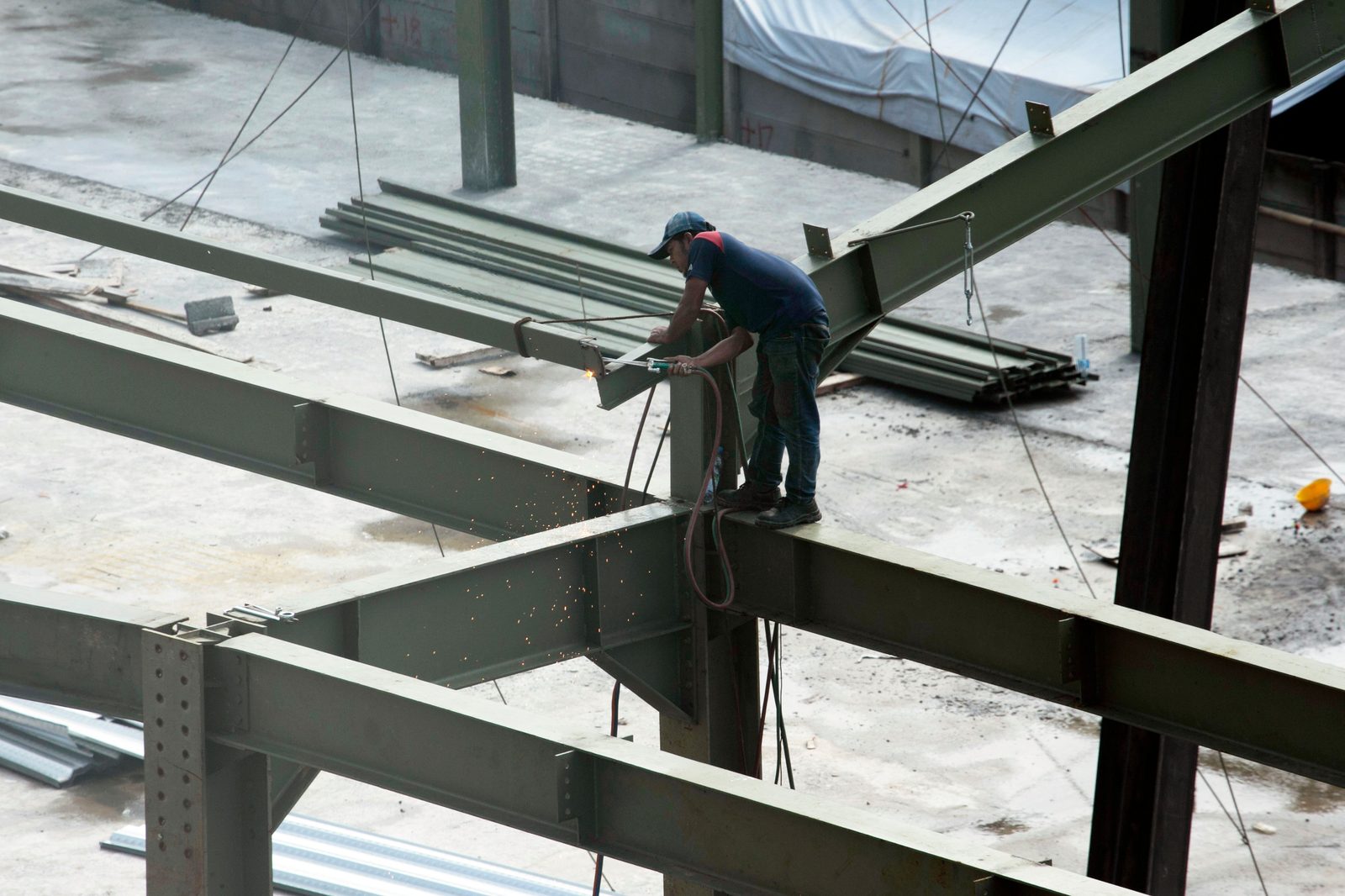
What is a Welder?
A Welder joins metal components using heat, pressure, or both: most visibly, the structural steel connections that hold a building's frame together, but also metal decking, handrails, and miscellaneous steel throughout a project. For structural steel work governed by the American Welding Society's D1.1 Structural Welding Code (the code most commercial structural steel is built to), a welder has to pass a certification test for the specific process, material, and position they'll actually be welding in before they're allowed to perform that code work: a real, contractually enforced requirement, even though it isn't a government-issued license the way a journeyman electrician license is.
What they do
- Weld structural steel connections according to approved shop drawings
- Read welding symbols on drawings to determine the correct weld type, size, and location
- Pass (and periodically re-pass) certification tests for the specific process and position required by the job
- Inspect completed welds visually and prepare them for a certified welding inspector's review
- Set up and maintain welding equipment, including selecting the correct filler metal for the base material
- Work safely around fire hazards, fumes, and equipment operating at very high temperatures
A typical day
- 6:30 AMReview welding symbols on the day's drawings and set up equipment for the required process
- 7:00 AMWeld structural steel connections on the level currently being erected
- 10:30 AMStop for a certified welding inspector to review completed welds before the next connection is covered
- 1:00 PMRe-certify on a welding process the current scope of work requires but hasn't used recently
- 3:30 PMClean up and inspect equipment before the next day's work
Skills
Software
Pay expectations
Pay by experience, nationally
as of May 2025
Source: U.S. Bureau of Labor Statistics, Occupational Employment and Wage Statistics (OEWS), Welders, Cutters, Solderers, and Brazers (SOC 51-4121), national data
Reviewed May 2025. Pay reflects the national wage distribution for this occupation, not a promise for any one job: entry level is the lower part of that range, 5 years in sits around the national median, and 10 years in is the upper part, since pay isn't actually tracked by years on the job. Real pay varies a lot by state, metro area, union status, and employer — scale these up or down for your market. These figures are base pay only: overtime, shift differentials, and per-project bonuses are standard across most construction trades and routinely push real earnings above what's shown here.
What this chart doesn't capture
Mobile welding and custom fabrication is a common path out of structural steel work — real upside pricing your own jobs, real risk owning the equipment and truck that make it mobile.
These figures are wage-and-salary pay only — BLS excludes the self-employed and business owners entirely. No reliable owner-income figure exists for welding and fabrication businesses specifically; a mobile welding rig or a small fabrication shop both take real equipment investment before the first job is priced. Worth researching your own market before trusting any number you find.
Education
- Required:
- High school diploma or equivalent, then trade school or a registered apprenticeship; for structural or pressure welding work, passing a certification test to the applicable welding code (most commonly AWS D1.1 for structural steel) for the specific process and position being performed, required by the code and the contract, not optional for that scope of work
- Preferred:
- Additional process-specific certifications as project scopes require them
- Not necessary:
- A four-year college degree; trade school or apprenticeship leading to code certification is the standard path
Career progression
- 1.Apprentice Welder
- 2.Certified Welder
- 3.Welding Foreman
- 4.Certified Welding Inspector (CWI) or Welding Contractor
Who hires for this role
Explore next