QA/QC Inspector
Project & Operations
Physically inspects and tests completed work against the specifications, the hands-on counterpart to a Quality Control Manager's oversight role.
What is a QA/QC Inspector?
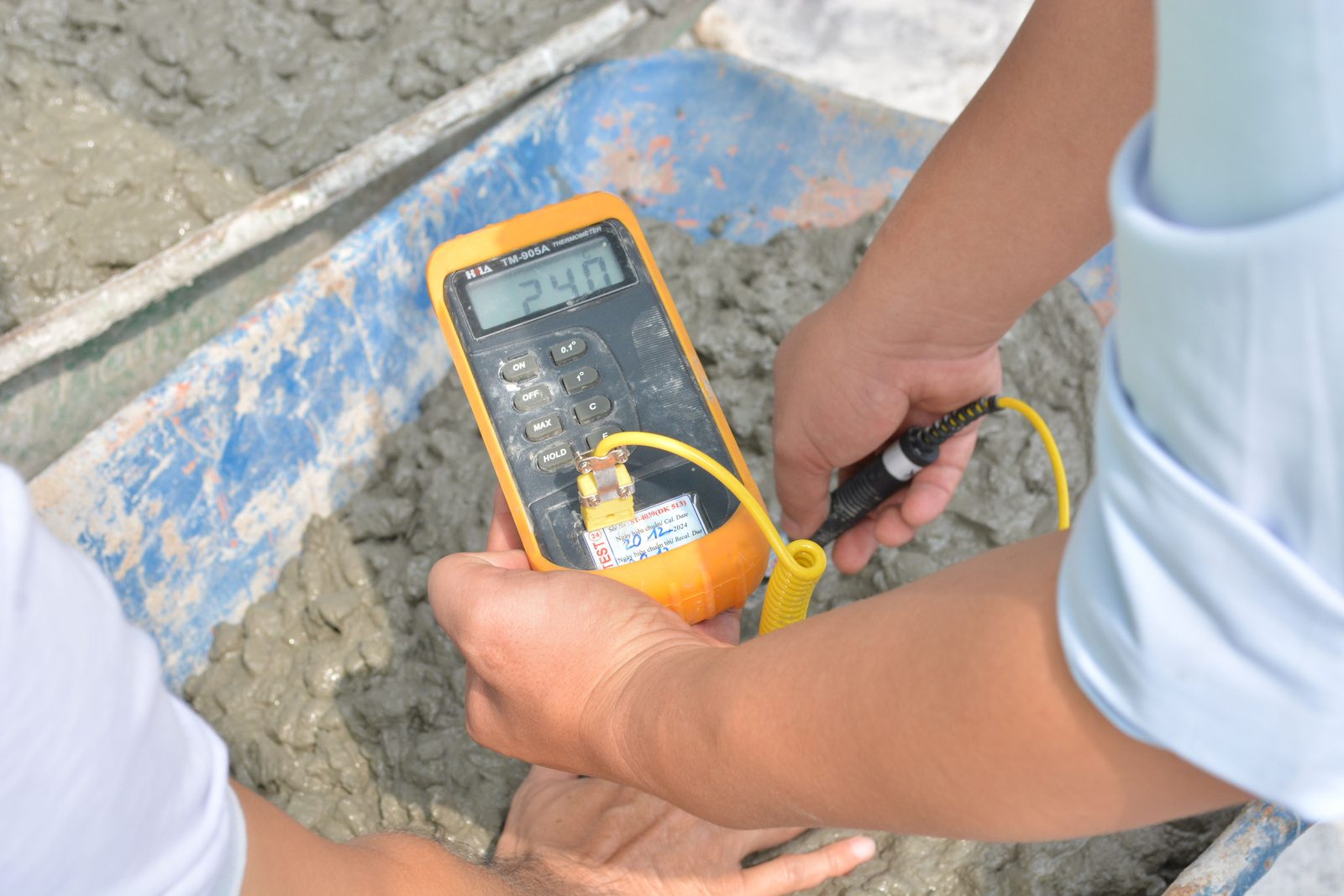
A QA/QC Inspector performs the hands-on inspection and testing that a project's quality control program requires, checking completed work against drawings and specifications, running or witnessing material tests, and documenting the results. It's distinct from a Quality Control Manager, who designs and oversees the quality program for the whole project; an inspector is the person actually walking the work, pulling concrete cylinders, checking weld quality, and writing up the non-conformance reports when something doesn't meet spec.
What they do
- Inspect completed work against drawings, specifications, and applicable codes
- Witness or perform material testing (concrete, soils, welds) and document results
- Complete special inspection reports required by the building code for structural and life-safety systems
- Write non-conformance reports when work doesn't meet specification
- Verify corrective work before it's covered up by the next trade
- Maintain inspection and testing records for the project's quality and closeout files
A typical day
- 6:30 AMReview the day's inspection schedule and required tests
- 7:30 AMWitness concrete placement and pull test cylinders for a structural pour
- 10:30 AMInspect completed structural welds against the project's welding specification
- 1:00 PMWrite a non-conformance report for a completed wall assembly that doesn't match the fire-rated spec
- 3:00 PMVerify a subcontractor's corrective work before it gets covered by drywall
Skills
Software
Pay expectations
Pay by experience, nationally
as of May 2025
Source: U.S. Bureau of Labor Statistics, Occupational Employment and Wage Statistics (OEWS), Construction and Building Inspectors (SOC 47-4011), national data — entry/5-year/10-year mapped to the lower half of this occupation's wage distribution (10th-75th percentile); see the Quality Control Manager page for the upper-half mapping of the same distribution
Reviewed May 2025. Pay reflects the national wage distribution for this occupation, not a promise for any one job: entry level is the lower part of that range, 5 years in sits around the national median, and 10 years in is the upper part, since pay isn't actually tracked by years on the job. Real pay varies a lot by state, metro area, union status, and employer — scale these up or down for your market. These figures are base pay only: overtime, shift differentials, and per-project bonuses are standard across most construction trades and routinely push real earnings above what's shown here.
Education
- Required:
- High school diploma or equivalent, plus relevant field or trade experience; specific requirements depend on the type of inspection being performed
- Preferred:
- A discipline-specific certification depending on specialty, such as the American Welding Society's Certified Welding Inspector (CWI) for welding inspection, ACI's Concrete Field Testing Technician certification for concrete testing, or NICET's Construction Materials Testing certification for soils, asphalt, or concrete work
- Helpful:
- OSHA 10 or 30 certification, and an ICC certification for code-related inspections
- Not necessary:
- A four-year engineering degree; this role is built on hands-on inspection and testing expertise, often gained in a trade before moving into inspection
Career progression
- 1.Field Technician or Inspector-in-Training
- 2.QA/QC Inspector
- 3.Senior Inspector or Multi-Discipline Inspector
- 4.Quality Control Manager
Who hires for this role
Explore next