Roofer
Field & Trades
Installs and repairs the one system every building depends on to keep water out, physically demanding work done almost entirely outdoors, at height.
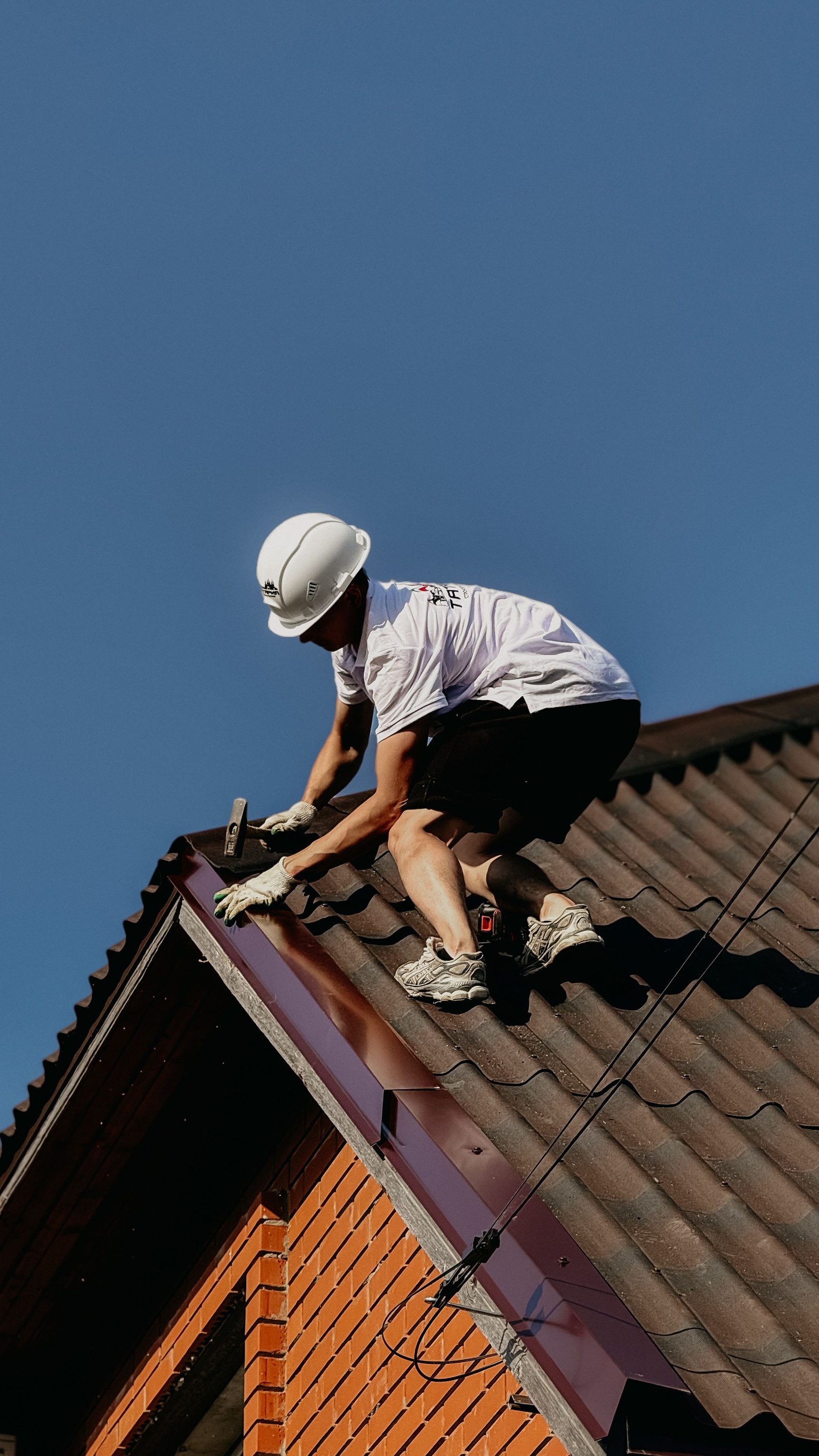
What is a Roofer?
A Roofer installs, repairs, and replaces roofing systems, shingles, tile, metal, or low-slope membrane roofing, on new construction and existing buildings. No personal license is legally required to work as an employee roofer in most of the country; roofing licensing in the states that require it (including California, Nevada, and Utah) applies at the business/contractor level, the person who contracts directly with customers and pulls permits, not to every roofer on a crew. A number of states (including Georgia, Missouri, Ohio, Pennsylvania, Texas, and others) have no state-level roofing license requirement at all, though local jurisdictions can impose their own.
What they do
- Install roofing materials (shingles, tile, metal panels, or membrane systems) per manufacturer specifications
- Remove and dispose of old roofing during a re-roof or repair
- Inspect roofs for leaks, damage, and wear, and identify the cause of a failure
- Install flashing, underlayment, and ventilation components that keep a roof system watertight
- Follow fall-protection procedures required for work at height on a sloped or low-slope roof
- Coordinate with insurance adjusters or estimators when the work is tied to a storm-damage claim
A typical day
- 6:30 AMLoad materials and equipment for the day's job, check the weather forecast
- 7:30 AMSet up fall protection and begin tearing off old roofing on a re-roof job
- 10:00 AMInstall underlayment and begin laying the new roofing material
- 1:00 PMInstall flashing around a chimney and vents to keep those transitions watertight
- 3:30 PMDo a final walk of the completed sections and clean up debris and materials
Skills
Software
Pay expectations
Pay by experience, nationally
as of May 2025
Source: U.S. Bureau of Labor Statistics, Occupational Employment and Wage Statistics (OEWS), Roofers (SOC 47-2181), national data
Reviewed May 2025. Pay reflects the national wage distribution for this occupation, not a promise for any one job: entry level is the lower part of that range, 5 years in sits around the national median, and 10 years in is the upper part, since pay isn't actually tracked by years on the job. Real pay varies a lot by state, metro area, union status, and employer — scale these up or down for your market. These figures are base pay only: overtime, shift differentials, and per-project bonuses are standard across most construction trades and routinely push real earnings above what's shown here.
What this chart doesn't capture
Roofing income swings hard with the season and with storm work — real upside after a bad hailstorm, real risk carrying a crew through a slow winter.
These figures are wage-and-salary pay only — BLS excludes the self-employed and business owners entirely, and no government source publishes a reliable owner-income figure for roofing contractors. Roofing work is unusually seasonal and storm-driven, so a business's income can look very different year to year depending on weather alone. Worth researching your own market and climate before trusting any number you find.
Education
- Required:
- High school diploma or equivalent, since no personal license is legally required to work as an employee roofer in most states. A person who wants to independently contract roofing work (sign contracts, pull permits) typically needs a state roofing or general contractor license in states that require one; that requirement is business-level, and which states require it varies widely
- Preferred:
- On-the-job training or a formal roofing apprenticeship
- Helpful:
- OSHA 10 or OSHA 30 certification, manufacturer-specific installation certifications for particular roofing systems
- Not necessary:
- A college degree, since this trade is learned almost entirely on the job
Career progression
- 1.Roofing Laborer
- 2.Roofer
- 3.Crew Lead or Foreman
- 4.Roofing Superintendent or own a roofing contracting business
Who hires for this role
Explore next