Construction Laborer
Field & Trades
The most common way into the entire industry, no prior experience required, and a front-row seat to every trade before choosing which one to specialize in.
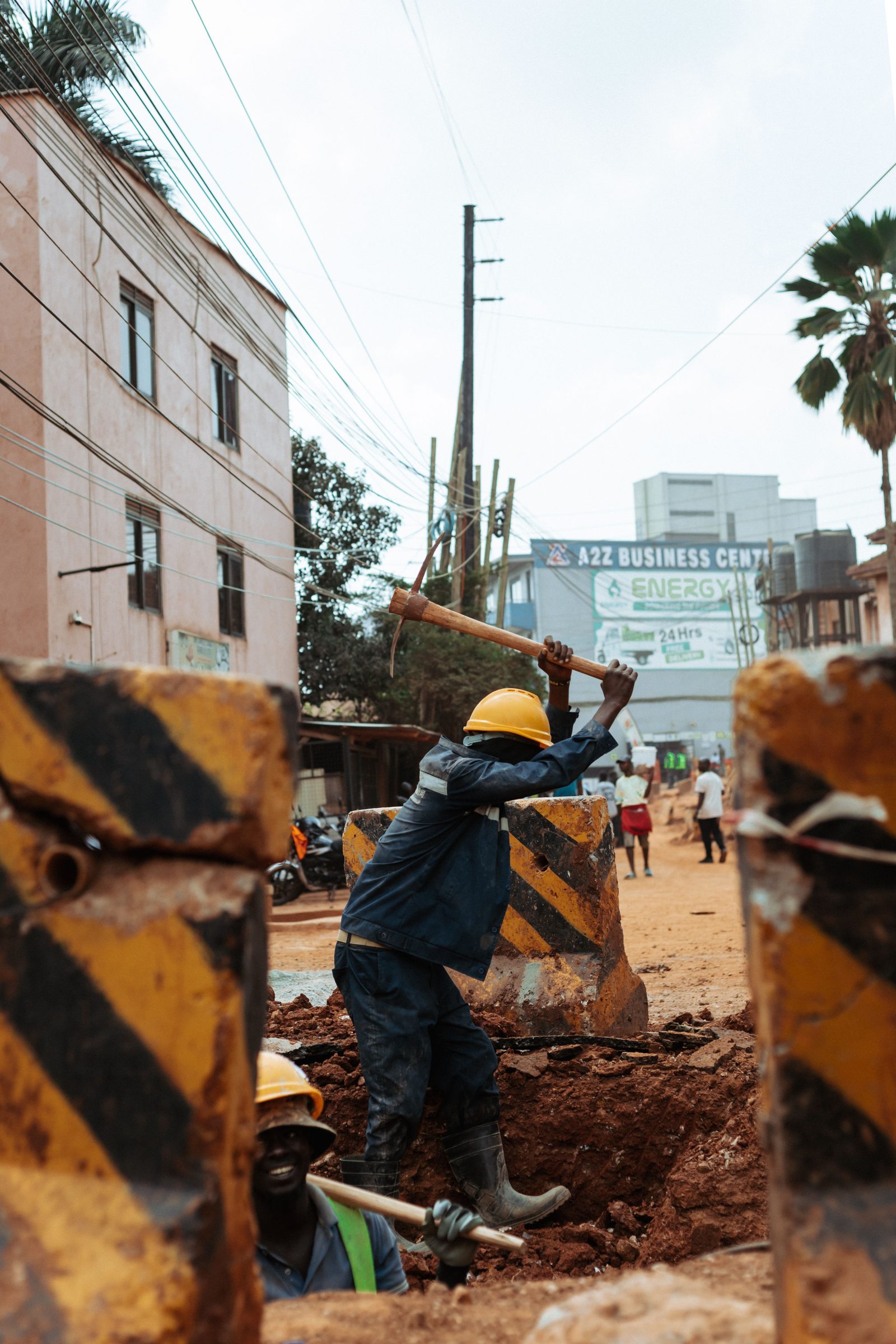
What is a Construction Laborer?
A Construction Laborer performs the general physical work a jobsite needs, material handling, site cleanup, basic demolition, and support for skilled trades, and is usually the single easiest entry point into construction, since it requires no prior experience, schooling, or certification to start. Many people who go on to become electricians, carpenters, or superintendents started as laborers, using the role to see multiple trades up close before choosing a specialty. No license is legally required for this work.
What they do
- Load, unload, and move materials and equipment around a jobsite
- Clean and organize work areas, removing debris and keeping walkways clear
- Assist skilled trades with basic tasks (holding materials, basic tool use, simple demolition)
- Set up and break down basic site equipment, barricades, and signage
- Dig, backfill, and grade by hand where machinery can't reach
- Follow jobsite safety procedures and use required personal protective equipment
A typical day
- 6:30 AMArrive on site, put on PPE, and get the day's task assignment from the foreman
- 7:00 AMMove and stage materials for the trades working that day
- 9:30 AMAssist a carpentry crew with basic framing support tasks
- 11:30 AMClean up debris and organize a work area ahead of an inspection
- 1:30 PMHelp set up equipment and materials for the next day's work
Skills
Software
Pay expectations
Pay by experience, nationally
as of May 2025
Source: U.S. Bureau of Labor Statistics, Occupational Employment and Wage Statistics (OEWS), Construction Laborers (SOC 47-2061), national data
Reviewed May 2025. Pay reflects the national wage distribution for this occupation, not a promise for any one job: entry level is the lower part of that range, 5 years in sits around the national median, and 10 years in is the upper part, since pay isn't actually tracked by years on the job. Real pay varies a lot by state, metro area, union status, and employer — scale these up or down for your market. These figures are base pay only: overtime, shift differentials, and per-project bonuses are standard across most construction trades and routinely push real earnings above what's shown here.
Education
- Required:
- High school diploma or equivalent is common but not always required; no license or certification is legally required for this role
- Preferred:
- None, since this is designed as an entry-level role with on-the-job training
- Helpful:
- OSHA 10 certification, which many employers value even though it isn't a nationwide legal requirement for this role
- Not necessary:
- Any prior construction experience, schooling, or certification, since this is the industry's most accessible entry point
Career progression
- 1.Construction Laborer
- 2.Apprentice in a chosen trade (electrician, carpenter, plumber, etc.) or Skilled Laborer/Crew Lead
- 3.Journeyman tradesperson or Foreman
- 4.Superintendent or trade-specific advancement
Who hires for this role
Explore next